
Numbers guy. I respect that.
A DTC founder asked me this during our first call: "Show me the money."
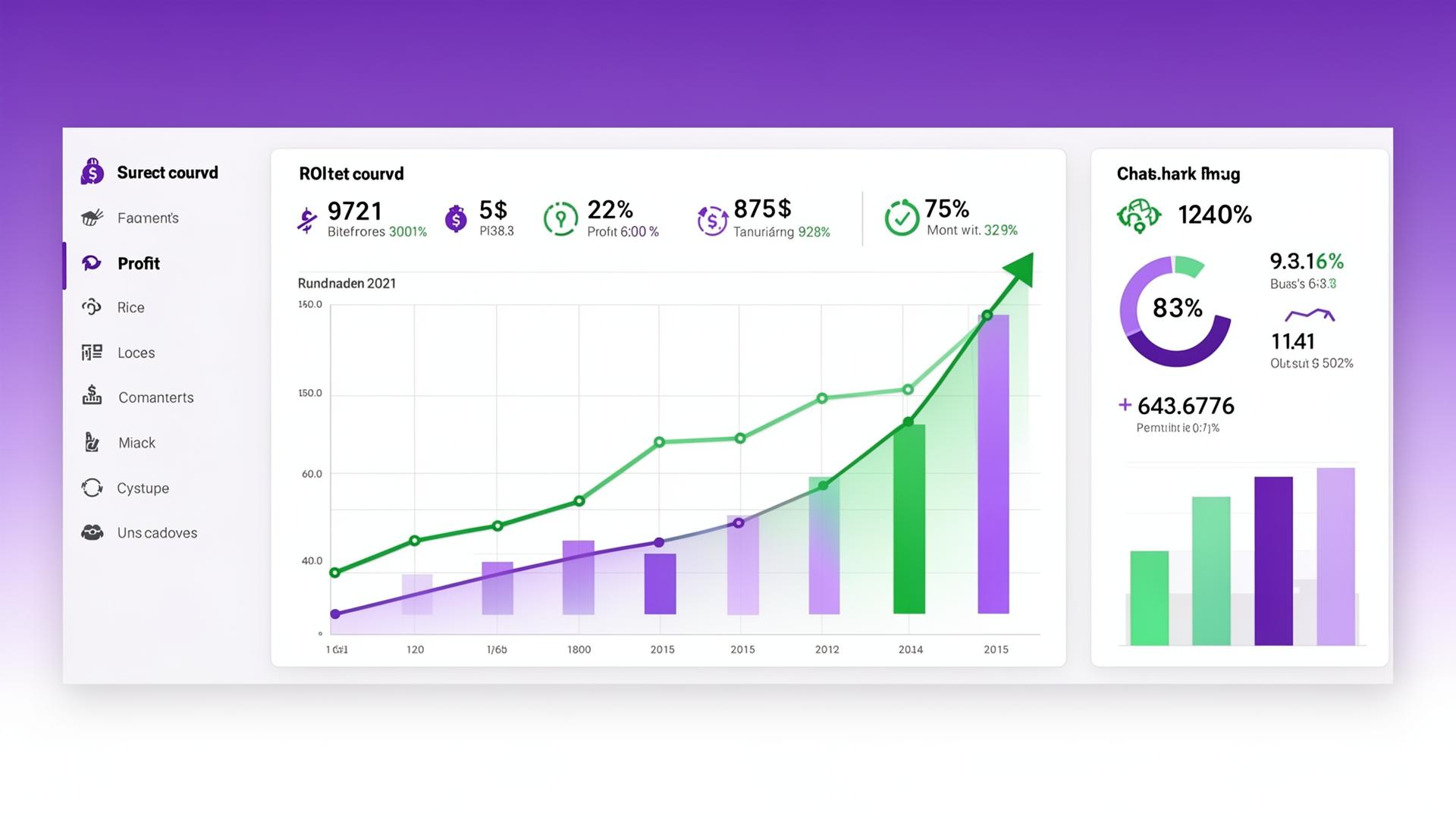
Here is what I showed him.
Most customers see 60 to 80 percent of support volume deflected within the first month. One e-commerce brand recovered enough abandoned carts in 30 days to cover the entire year of Instant AI Guru. Another told us the time they got back let them launch two new product lines.
The AI works 24/7. You do not.
This is not just another monthly expense. For most businesses it becomes one of the fastest-paying investments they ever make.
The ROI That Shows Up Fast
Support volume drops 60 to 80 percent in month one
This is the headline number, and it is real. When The Guru is tuned to your products and policies, the majority of customer questions become instant, accurate, automated answers. Your team stops spending time on repetitive inquiries and starts spending it on growth, product improvement, or simply getting their evenings back.
We at AI Guru see this pattern consistently. A SaaS company told us their support queue dropped from 400 tickets a week to under 80. An e-commerce brand went from two part-time support agents to one person handling the interesting cases part-time. The savings are immediate and measurable.
Abandoned cart recovery pays for the year
One of the fastest ROI paths we see is abandoned cart recovery. A shopper at checkout who gets an instant answer to a sizing or shipping question is dramatically more likely to complete the purchase. One e-commerce brand recovered enough abandoned carts in the first 30 days to cover their entire year of The Guru.
The math is simple. If The Guru recovers even one or two abandoned carts a day, and your average cart value is reasonable, the subscription pays for itself quickly. Everything beyond that is profit.
Time back means growth moves forward
ROI is not just about cost savings. It is also about opportunity cost. Every hour your founder or team spends answering repetitive questions is an hour not spent on product development, marketing, partnerships, or rest.
One customer told us the 25 hours a week she got back let her launch two new product lines in the next quarter. Another told us his first real vacation in three years gave him the mental space to restructure his pricing strategy, which increased margins by 15 percent. The ROI from clarity and rest is hard to spreadsheet, but it is very real.
24/7 coverage without 24/7 payroll
Hiring for night and weekend coverage is expensive, and the quality usually drops because the best people do not want those shifts. The Guru provides consistent, high-quality answers around the clock without additional headcount.
For international businesses, this is transformative. A European brand selling to the US gets coverage across time zones without hiring a US support team. A tourism company gets booking inquiries answered at 3am without anyone waking up.
CSAT often improves, even with fewer humans
Counterintuitively, customer satisfaction frequently rises when AI handles the routine and humans handle the complex. Customers get instant answers to simple questions and better human attention to difficult ones. It is the best of both worlds.
One brand told us their CSAT went from 3.8 to 4.6 after adding The Guru, because customers stopped waiting 12 hours for a one-sentence answer.
Curious What the ROI Could Look Like for Your Specific Numbers?
The fastest way to find out is to try it. Most customers see results within the first week.
Start your free trial. It really does launch in under five minutes, and no credit card is required.
Frequently asked questions
How fast do most customers see ROI?
Most customers see meaningful ROI within the first 30 days. Support volume drops immediately, abandoned cart recovery starts showing up within the first week, and team time savings are visible from day one. The exact timeline depends on your traffic and inquiry volume, but the direction is consistently positive and fast.
What is the typical return on investment?
ROI varies by business, but we consistently see returns that exceed the subscription cost within the first month. One e-commerce brand recovered enough abandoned carts in 30 days to pay for the entire year. A SaaS company reduced support headcount equivalent by 60 percent. Most customers report the investment pays for itself faster than any other tool they have adopted.
How do you measure ROI?
We track conversation volume, resolution rates, response times, abandoned cart recovery, and customer satisfaction scores. You also get live analytics showing what customers are asking, which helps you identify product improvements and content gaps that drive additional revenue.
Is the ROI just cost savings or also revenue growth?
Both. Cost savings come from reduced support hours and lower ticket volume. Revenue growth comes from abandoned cart recovery, faster response times converting more inquiries into sales, and the freed-up team time being reinvested in growth activities. Most customers see both simultaneously.
What if our business is seasonal?
The Guru scales with your volume, so you get full coverage during peak season without hiring temporary staff. Many seasonal businesses find that the busy period alone pays for the entire year. One holiday-focused retailer told us November and December with The Guru generated enough extra revenue to cover 18 months of subscription.
How does ROI compare to hiring additional support staff?
The Guru typically costs a fraction of one full-time hire while handling more volume, more channels, and more hours. It also never takes sick days, never quits, and scales instantly during busy periods. When you factor in recruitment, training, turnover, and the fact that one person cannot cover 24/7, the financial comparison is clear.
This is a dramatization of a scenario with a real client.